Understanding Airflow CFM and Noise dB Measurement in Handheld Fans
XMT Global (Xinmeili Technology), a leading OEM/ODM manufacturer based in Dongguan, Guangdong, China, specializes in the production of high-quality handheld fans. With a monthly capacity of over 150,000 units and a state-of-the-art 3,000 square meter facility, we serve over 30 export markets. This article provides a detailed explanation of how airflow CFM and noise dB are measured in handheld fans, highlighting the importance of standardized testing and the factors that influence these measurements.
Understanding Airflow CFM in Handheld Fans
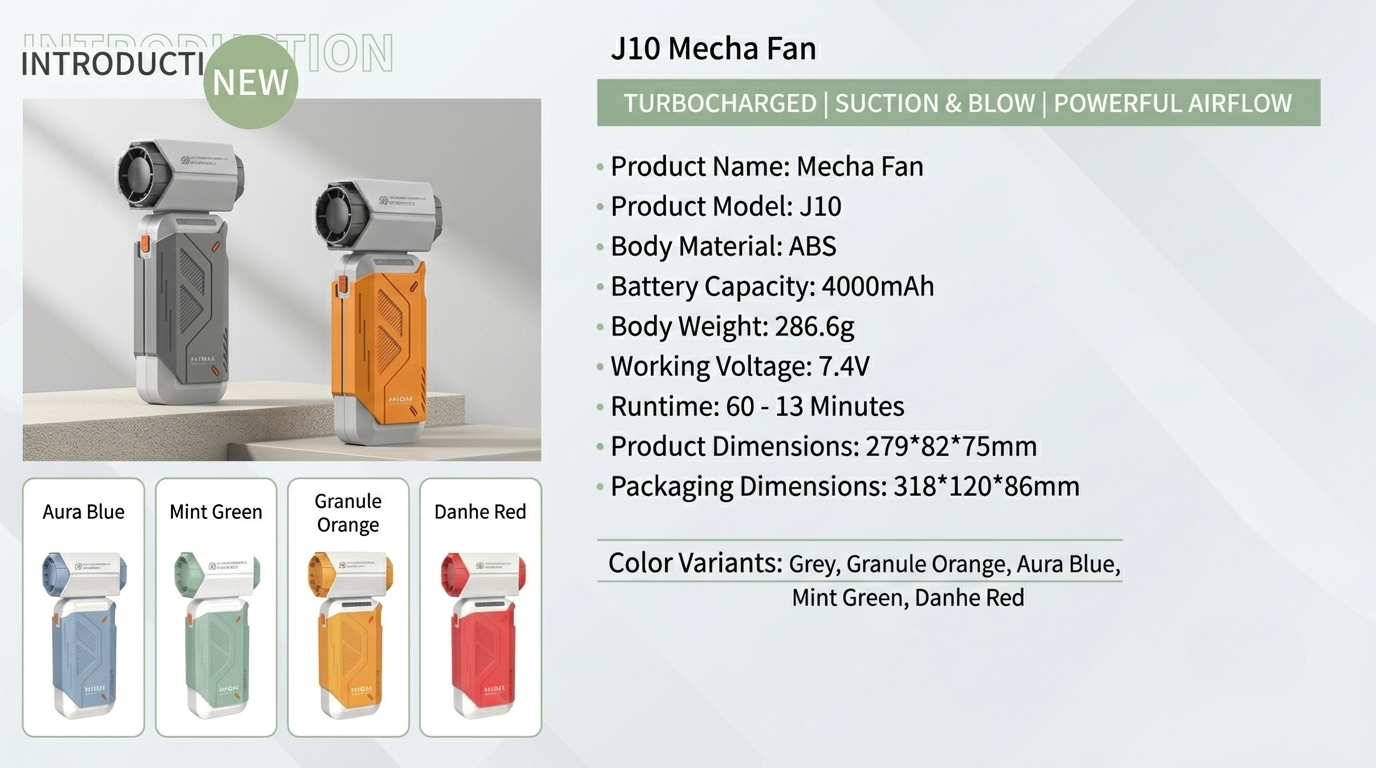
Airflow CFM (Cubic Feet per Minute) is a critical specification for handheld fans, indicating the volume of air the fan can move in one minute. This metric directly impacts the fan's effectiveness in providing cooling and ventilation. For product managers and importers, understanding CFM is essential to ensure the product meets the intended performance standards and user expectations.
Standardized Methods for Measuring Fan Airflow CFM
Several standardized methods are commonly used to measure the airflow CFM of handheld fans:
- AMCA 210: Although primarily designed for industrial fans, the principles of this standard are often applied to handheld models. It involves measuring airflow in a controlled environment using specialized equipment.
- ASTM F2601: This standard is specifically tailored for household electric fans, including handheld models. It provides a detailed methodology for measuring airflow under various conditions.
- ISO 5801: This international standard offers a comprehensive approach to fan performance testing, including airflow measurement, and is often used as a reference for handheld fan testing.
At XMT Global, we ensure that our testing procedures adhere to these standards, providing reliable and consistent airflow CFM measurements for our handheld fans.
Noise dB Rating in Handheld Fans: An Overview
Noise dB (decibel) rating is another crucial factor for handheld fans, as it affects user comfort and overall product satisfaction. A lower dB rating indicates a quieter fan, which is often a desirable feature for consumers. The noise level is typically measured in a controlled environment using specialized acoustic equipment.
Testing Standards for Noise dB in Fan Products
Several standards guide the measurement of noise dB in fan products:
- ISO 3744: This standard is widely used for determining sound power levels and is applicable to a variety of noise sources, including handheld fans. It provides guidelines for measuring noise in different environments.
- ASTM E337: Although more general, this standard is often referenced for noise measurement in consumer electronics, including handheld fans. It focuses on the principles of sound measurement and analysis.
- IEC 60704: This standard specifically addresses the measurement of airborne noise emitted by household appliances, making it relevant for handheld fans. It provides detailed procedures for noise testing.
At XMT Global, we prioritize adherence to these standards to ensure accurate and reliable noise dB measurements for our products.
Key Considerations for Accurate Measurements
Accurate measurement of airflow CFM and noise dB requires attention to several key factors:
- Testing Environment: The environment in which the measurements are taken can significantly affect the results. Factors such as temperature, humidity, and altitude can influence both airflow and noise levels.
- Equipment Calibration: Proper calibration of measurement equipment is essential to ensure accurate results. This includes both airflow meters and sound level meters.
- Consistency in Methodology: Adhering to a standardized testing methodology is crucial for reproducibility and reliability of results. At XMT Global, we follow the appropriate standards to ensure consistency.
- Background Noise: The presence of background noise can interfere with noise dB measurements. It is important to account for and minimize background noise during testing.
By considering these factors, importers and product managers can ensure that the measurements they receive are accurate and representative of the fan's true performance.
Common Misconceptions in Airflow and Noise Testing
There are several common misconceptions about airflow and noise testing that can lead to inaccurate conclusions:
- Inconsistent Testing Conditions: Many assume that testing conditions do not significantly impact results, but variations in temperature, humidity, and background noise can lead to discrepancies.
- Overreliance on Manufacturer Claims: Relying solely on manufacturer claims without verifying the testing methodology and standards used can be misleading.
- Ignoring Environmental Factors: Neglecting to account for environmental factors such as altitude can result in inaccurate airflow and noise measurements.
Buyers should be aware of these misconceptions and take steps to ensure that their testing procedures are robust and reliable.
Frequently Asked Questions
What is the typical CFM range for handheld fans?
The CFM range for handheld fans can vary widely depending on the model and design. However, most handheld fans have a CFM range of 10 to 30 CFM.
How can I ensure the accuracy of airflow CFM measurements?
To ensure accuracy, buyers should verify that the supplier follows standardized testing methodologies such as AMCA 210, ASTM F2601, or ISO 5801. Additionally, they should confirm that the testing environment is controlled and that the equipment is properly calibrated.
What is the acceptable noise level for handheld fans?
The acceptable noise level for handheld fans depends on the intended use and consumer preferences. However, most handheld fans have a noise level between 30 to 60 dB.
How does XMT Global ensure the quality of its handheld fans?
XMT Global ensures the quality of its handheld fans by adhering to international standards for airflow and noise measurement, maintaining a controlled testing environment, and using properly calibrated equipment. Additionally, we conduct regular quality control checks throughout the production process.
What certifications does XMT Global have for its handheld fans?
XMT Global's handheld fans are certified with CE, RoHS, FCC, UN38.3, UKCA, CCC, PSE, and KCC, ensuring compliance with international safety and environmental standards.