Overview of Handheld Fan Packaging Requirements
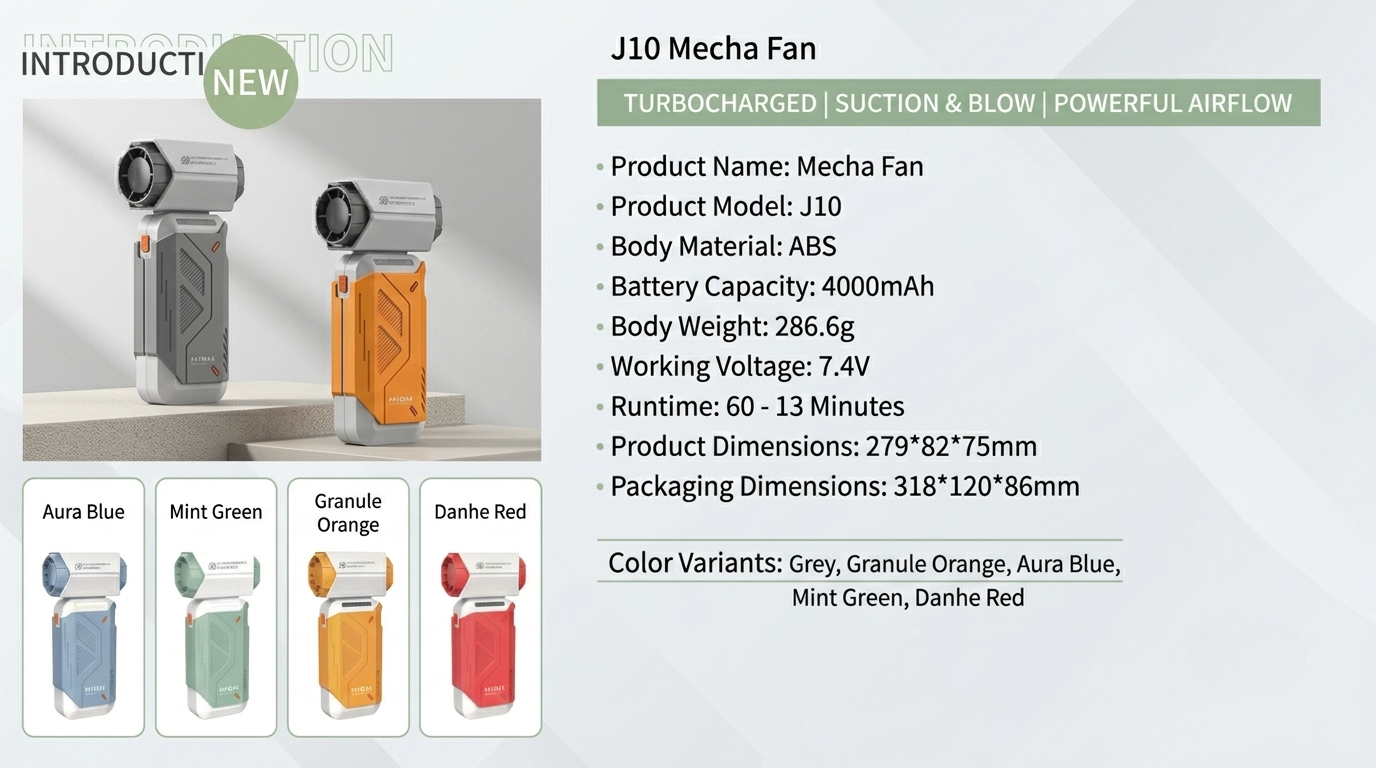
Handheld fan packaging serves two critical functions: protecting sensitive electromechanical components during transit and meeting retail display standards. Unlike standard passive plastic items, high-speed handheld fans feature lithium-ion batteries, PCB control boards, and high-pitch turbine blades. Structural integrity is necessary to prevent accidental power activation and housing damage caused by shock or compression during ocean and air freight.
For international importers and brand managers, retail packaging also functions as the primary compliance vector. Outer cartons and retail boxes must display regional certification marks, battery warnings, and supply chain tracking data. Evaluating structural resilience alongside regulatory requirements early in the product development phase helps mitigate transit damage and customs delays. XMT Global (Xinmeili Technology), an OEM/ODM manufacturer based in Dongguan, Guangdong, facilitates this process by integrating packaging design directly with the production of high-speed mecha fans.
Structural Options for Retail-Ready Handheld Fans
Selecting an appropriate box design depends on target price points, retail environments, and distribution channels. The four primary packaging structures utilized for handheld high-speed fans include:
- Tuck-end Paperboard Boxes: Constructed from folding boxboard (FBB) or corrugated E-flute kraft paper. These represent a cost-effective option for e-commerce or value-tier retail. Thermoformed PET or pulp trays are typically inserted inside to secure the fan handle, charging cable, and user manual.
- Window Box Packaging: Features a clear die-cut PET window allowing consumers to inspect the physical product, color finishes, and metallic accents without opening the package. This format is widely adopted for brick-and-mortar retail displays.
- Rigid Gift Boxes (Two-Piece / Magnetic Closure): Built using thick paperboard wrapped in art paper with premium print finishes (foil stamping, spot UV, or matte lamination). Internal trays generally feature high-density EVA foam or molded pulp inserts. This style is often selected for high-end or mecha-styled high-speed fans.
- Clamshell / Blister Packs: Sealed thermoformed plastic housings that offer high product visibility and hang-tab functionality for retail pegboards. While providing solid impact resistance, thermoformed clamshells require dedicated tooling and consideration for regional plastic reduction policies.
Compliance and Labeling Considerations for Global Markets
Because portable fans rely on rechargeable lithium-ion cells, international transport authorities and regional regulatory bodies mandate specific markings on the primary retail box and master shipping cartons. Importing organizations should verify that artwork layouts incorporate required compliance graphics prior to mass production. Standard certifications commonly managed by an OEM/ODM manufacturer include CE, RoHS, FCC, UN38.3, UKCA, CCC, PSE, and KCC.
- Transport & Battery Warnings: Master cartons containing lithium batteries usually require the UN3481 handling label. Outer packaging must indicate watt-hour rating compliance in accordance with UN38.3 testing criteria.
- Regional Regulatory Logos: Depending on the target destination, retail artwork may need to incorporate verified mark symbols such as CE and UKCA for Europe/UK, FCC for the United States, PSE for Japan, KCC for South Korea, and CCC for China.
- Environmental & Recycling Identifiers: European and North American markets frequently require the WEEE trash can logo, Mobius loop recycling codes, and packaging material identifiers (such as PAP 20 or PET 01) to support municipal waste sorting.
ODM Packaging Customization Workflow
Integrating custom ODM packaging into mass production follows a structured engineering workflow. With over 10 years of OEM/ODM experience and a facility capacity exceeding 150,000 units per month, XMT Global (Xinmeili Technology) manages the following phases during product customization, typically requiring an MOQ of 500 units and a 15-day lead time:
- Die-line Engineering: The factory provides a 1:1 scale vector die-line based on the physical fan dimensions, accessory layout, and internal tray specifications.
- Artwork & Color Management: The brand team applies artwork assets using CMYK or Pantone color profiles, embedding mandatory regulatory logos, barcodes, and language translations.
- Digital & Structural Prototyping: A unprinted structural sample (white sample) is cut to test component fitment, followed by a digital print sample to evaluate visual accuracy and color reproduction.
- Drop & Compression Testing: Packaged prototypes undergo standard transit simulation tests to confirm that internal inserts adequately immobilize the fan motor and prevent switch engagement under vibration.
- Mass Printing & Assembly: Following sample approval, mass box printing, surface finishing (lamination/embossing), die-cutting, and tray molding take place concurrently with fan assembly.
Structural Comparison of Retail Packaging Types
| Packaging Type | Primary Material | Best Use Case | Durability |
|---|---|---|---|
| Tuck-end Box | FBB / E-flute | E-commerce / Value Retail | Moderate |
| Window Box | Paperboard + PET | Brick-and-Mortar | Low-Moderate |
| Rigid Gift Box | Thick Paperboard | Premium / Gift Sets | High |
| Clamshell | Thermoformed PET | Pegboard Display | High |
Frequently Asked Questions
- What is the standard lead time for custom packaging?
- At the XMT Global facility, the standard lead time for custom packaging production is typically 15 days, provided that artwork files and structural samples are approved.
- Are certifications like RoHS and CE printed on the packaging?
- Yes, it is standard practice to include relevant compliance marks such as CE, RoHS, FCC, and UN38.3 on retail packaging. Importers should confirm which specific regional certifications (e.g., PSE for Japan or KCC for South Korea) are required for their target market.
- What is the minimum order quantity (MOQ) for custom packaging?
- For standard ODM packaging customization, the MOQ is 500 units. This allows for the integration of custom branding while maintaining production efficiency.
- How do I ensure the packaging protects the lithium battery during transport?
- Packaging must be designed to immobilize the fan within the box to prevent accidental switch activation. Furthermore, master cartons must be labeled according to UN38.3 and UN3481 regulations for the safe transport of lithium-ion batteries.