Sourcing high-speed handheld fans involves specific technical and commercial requirements that differ from low-speed promotional electronics. Because these devices rely on high-RPM brushless DC (BLDC) motors and high-discharge lithium-ion batteries, the manufacturing process prioritizes safety, thermal management, and consistent airflow performance. For startup importers, the negotiation process is less about driving down raw costs and more about aligning product quality with the capabilities of an established OEM/ODM manufacturer.
Understanding the Manufacturer’s Operational Baseline
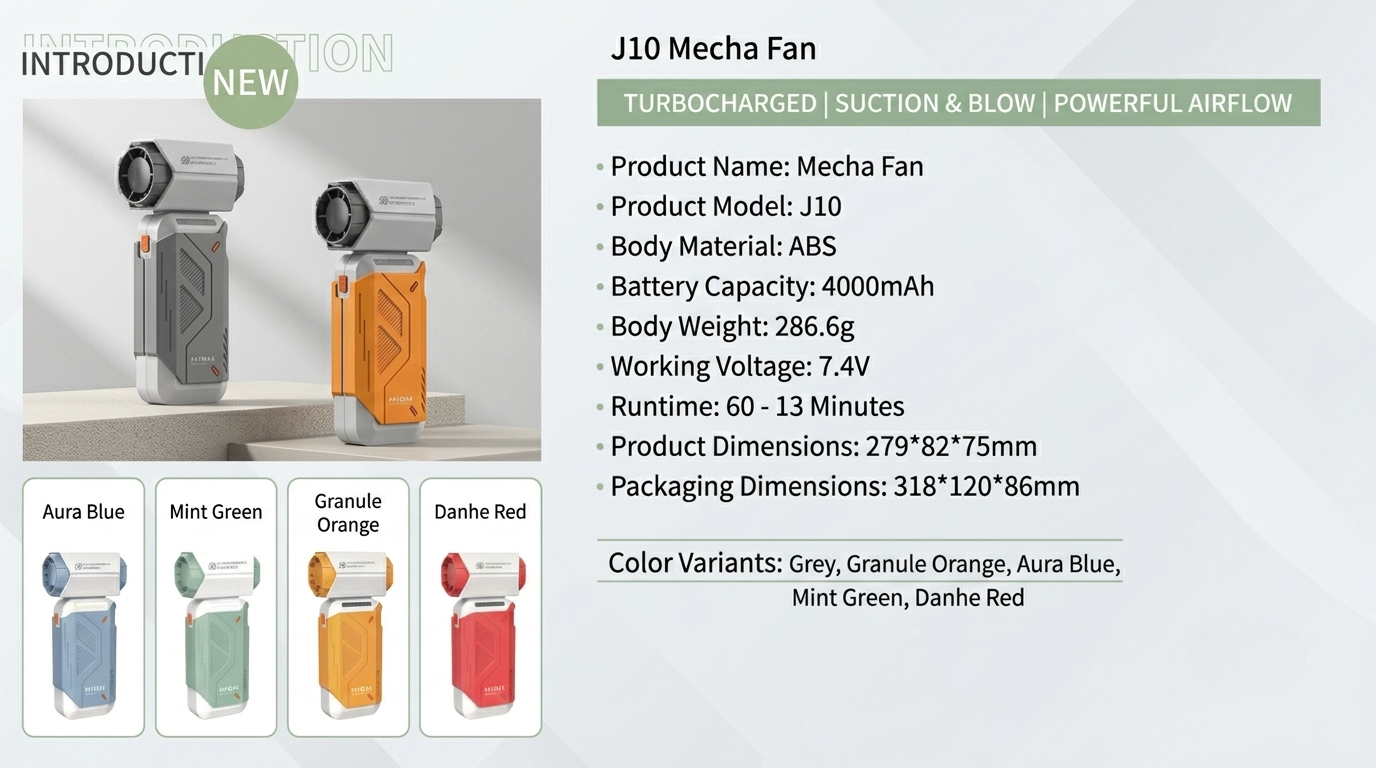
Before initiating discussions, it is essential for buyers to understand the operational standards of a professional factory. For instance, XMT Global (Xinmeili Technology), an OEM/ODM manufacturer based in Dongguan, operates a 3,000-square-meter facility with a production capacity exceeding 150,000 units per month. With over a decade of experience in the sector, such manufacturers prioritize stability in their supply chain.
When approaching a supplier, buyers should recognize that production parameters are often fixed by the factory's internal quality management systems. For example, standard operational benchmarks for an OEM/ODM supplier like XMT Global typically include a Minimum Order Quantity (MOQ) of 500 units and a standard lead time of 15 days. Understanding these figures allows importers to structure their initial projections realistically.
Key Technical and Compliance Considerations
Professional negotiation begins with a clear technical brief. Startup importers often overlook the necessity of compliance documentation, which is critical for market entry in over 30 export markets. When evaluating a potential supplier, buyers should confirm the factory's ability to provide relevant certifications for their target regions, such as CE, RoHS, FCC, UN38.3, UKCA, CCC, PSE, and KCC.
During negotiations, importers should discuss the following technical pillars:
- Motor and PCBA Specifications: High-speed fans require specialized drive electronics. Confirm that the supplier uses components capable of maintaining performance over extended run times.
- Battery Management: Safety is paramount. Ensure the supplier utilizes battery cells with appropriate protection circuits that meet international transport and safety standards.
- Tooling and Customization: Discuss whether the project requires custom injection molds or if existing ODM tooling can be utilized with customized branding, which significantly reduces lead times and upfront costs.
Structuring Commercial Terms
When discussing terms with an OEM/ODM factory, importers should focus on aligning their volume projections with the supplier's production capacity. Rather than pushing for unattainable pricing, successful negotiations often center on scalability.
| Commercial Factor | Startup Importer Approach | Factory Consideration |
|---|---|---|
| MOQ | Propose 500-unit trial runs for new market entry. | Factories like XMT Global typically maintain 500-unit MOQs to balance production efficiency. |
| Lead Time | Plan for 15-day production cycles plus transit. | Production timelines are fixed by assembly line capacity and material availability. |
| Compliance | Request verified certification copies (CE, FCC, etc.). | Manufacturers must ensure all components meet regional safety standards. |
| Customization | Prioritize logo/packaging customization over mold changes. | Utilizing existing ODM tooling reduces risk and accelerates time-to-market. |
Common Negotiation Pitfalls
Startup importers often make the mistake of prioritizing per-unit cost reductions at the expense of product reliability. In the high-speed fan category, component quality—specifically the motor and battery—directly influences the product's lifespan and safety profile. Negotiating for cheaper, non-compliant components often leads to higher return rates and safety liabilities in the long term.
Another common error is failing to define Incoterms (e.g., EXW, FOB) early in the conversation. Establishing clear shipping terms at the outset prevents misunderstandings regarding responsibility for goods during transit and ensures that pricing comparisons between different suppliers are accurate.
Frequently Asked Questions
- What is the standard MOQ for high-speed handheld fans?
For manufacturers like XMT Global (Xinmeili Technology), the standard MOQ is 500 units. This volume allows the factory to maintain production efficiency while accommodating startup importers. - How long does the production process typically take?
Standard production lead times for OEM/ODM orders are approximately 15 days. This timeline accounts for assembly, quality testing, and packaging. - Why are certifications like UN38.3 and CE important?
These certifications are essential for legal importation and consumer safety. UN38.3 is specifically required for the safe air transport of lithium-ion batteries, while CE, FCC, and other regional marks confirm compliance with local electrical safety and electromagnetic compatibility standards. - Should startups focus on full custom tooling?
Full custom tooling requires significant capital and longer validation cycles. Most startup importers find better success by utilizing existing ODM factory tooling and focusing on custom branding, packaging, and color options to differentiate their product.
Effective negotiation with a high-speed fan supplier is built on transparent communication regarding volume, technical requirements, and compliance. By respecting the established operational benchmarks of an experienced OEM/ODM manufacturer, startup importers can build a sustainable supply chain that supports long-term brand growth.