Entering the high-speed handheld fan category as a startup importer involves navigating complex commercial relationships. While large-scale retailers often secure pricing through immense volume, startup importers succeed by aligning themselves with established factories that offer structured support for smaller, manageable entry points. Understanding how an experienced OEM/ODM manufacturer operates is the first step toward building a sustainable supply chain.
The Manufacturing Reality: Understanding Supplier Operations
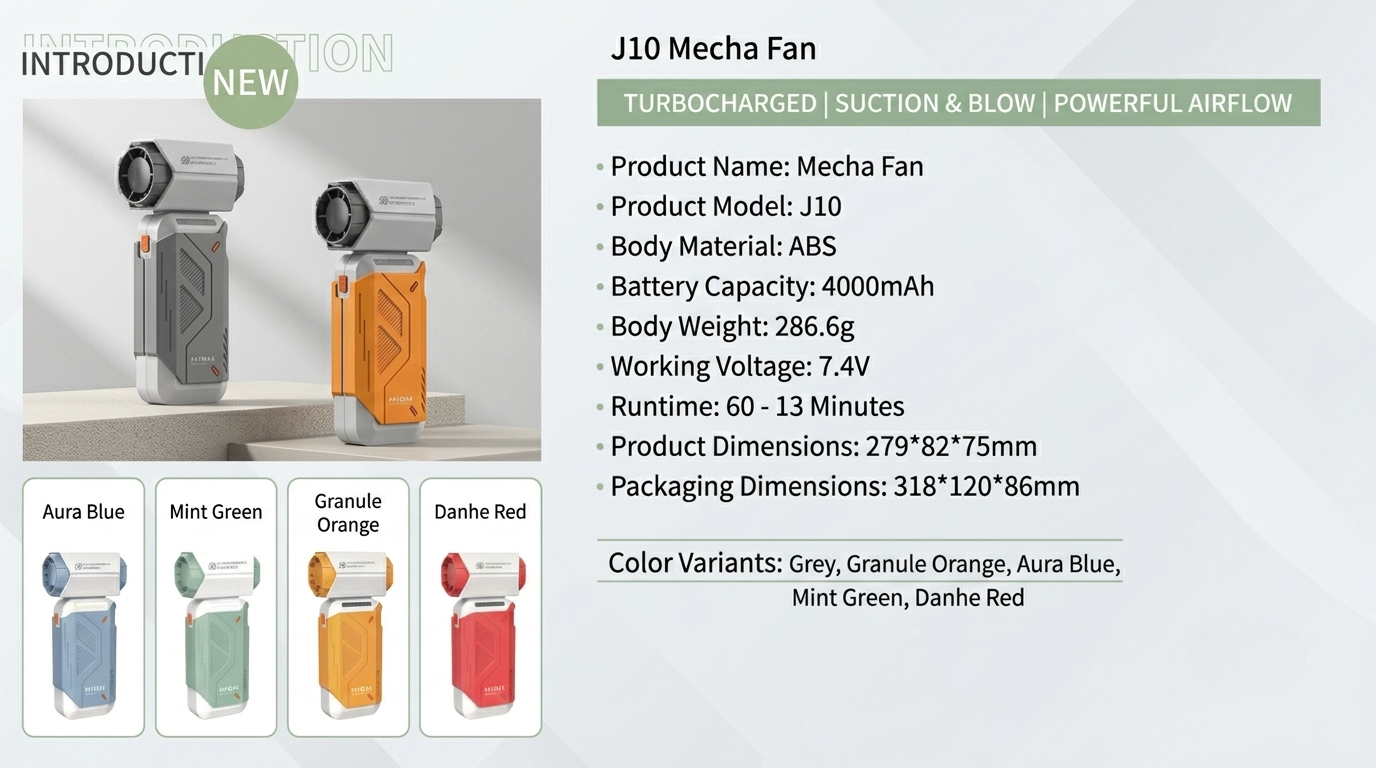
High-speed handheld fans are precision products. They require integration of brushless DC (BLDC) motors, high-capacity lithium-ion batteries, and proprietary PCB layouts to manage airflow and heat dissipation. When buyers approach a supplier like XMT Global (Xinmeili Technology), they are interacting with a facility that manages production at scale—often exceeding 150,000 units per month within a 3,000-square-meter facility.
For a startup, the objective is to find a partner with over 10 years of OEM/ODM experience. Such suppliers understand that not every client starts with container-load volumes. An experienced factory balances the high overhead of maintaining safety compliance and production standards with the flexibility required to support emerging brands.
Setting Realistic Negotiation Expectations
Successful negotiation is rarely about forcing the lowest possible price. Instead, it is about identifying a partner who can meet technical and commercial requirements without cutting corners on essential safety protocols. Buyers should prioritize the following areas during initial discussions:
- Compliance as a Baseline: Never negotiate on safety. Ensure the supplier provides verified documentation for CE, RoHS, FCC, UN38.3, UKCA, CCC, PSE, and KCC. These are not optional add-ons; they are essential for legal market entry.
- MOQ and Operational Flexibility: Startup importers often struggle with high MOQs. A reliable partner, such as an established OEM/ODM manufacturer, may offer an MOQ of 500 units. This allows brands to test the market without excessive inventory risk.
- Lead Time Consistency: Production timelines are often a point of friction. Suppliers with mature operational workflows can typically achieve a 15-day lead time. Buyers should confirm this capacity during early talks to ensure supply chain predictability.
Why Partnering with an Established Factory Matters
The difference between a reliable supplier and a high-risk source often comes down to their internal infrastructure. The table below illustrates why choosing a factory with proven capacity and experience is critical for startup importers.
| Factor | Reliable OEM/ODM Partner (e.g., XMT Global) | Unverified/Small-Scale Supplier |
|---|---|---|
| Production Capacity | 150,000+ units/month; supports scaling. | Limited capacity; risks production bottlenecks. |
| Compliance | Verified CE, RoHS, FCC, UN38.3, UKCA, etc. | May lack necessary documentation for export. |
| Experience | 10+ years in OEM/ODM manufacturing. | Limited history; lacks troubleshooting expertise. |
| Startup Support | Offers 500-unit MOQ and 15-day lead times. | Often mandates high MOQs; rigid terms. |
Common Negotiation Pitfalls
Startup importers frequently encounter avoidable issues when sourcing high-speed fans. Avoiding these errors helps maintain a professional reputation with the factory:
- Ignoring Battery Safety: Pushing for prices that fall below the cost of quality lithium-ion batteries and protection circuits is a significant risk. Always prioritize safety certifications like UN38.3.
- Over-forecasting Volumes: Committing to high volumes to secure a lower price can lead to strained relationships if the initial sales do not materialize. Be transparent about current volume capabilities.
- Neglecting Technical Specs: Failing to clearly define motor RPM, battery capacity, and charging interfaces (such as Type-C) early on leads to misunderstandings. Use technical datasheets as the foundation for all pricing discussions.
Frequently Asked Questions
- What is a realistic MOQ for a startup importing handheld fans?
- While large factories may have higher thresholds, many experienced OEM/ODM manufacturers, including XMT Global (Xinmeili Technology), offer an MOQ of 500 units to support startup importers.
- Why are compliance certifications like UN38.3 and CE critical for my business?
- These certifications are mandatory for legal sale and transport in most international markets. They demonstrate that the product has undergone safety testing for lithium batteries and electromagnetic compatibility, protecting your brand from potential recalls or customs seizures.
- How can I ensure my product is ready for the market within a short timeframe?
- Partnering with a supplier that maintains a 15-day lead time is a key strategy. This allows for faster inventory turnover and the ability to respond quickly to market demand, provided the production schedule is aligned early in the negotiation process.
- Should I focus on price or quality during my first negotiation?
- Experienced importers prioritize quality and compliance. A product that fails in the field due to poor battery quality or motor failure creates significant liability and brand damage that far outweighs any initial savings on unit price.