Understanding the Challenges in High-Speed Mecha Fan Quality
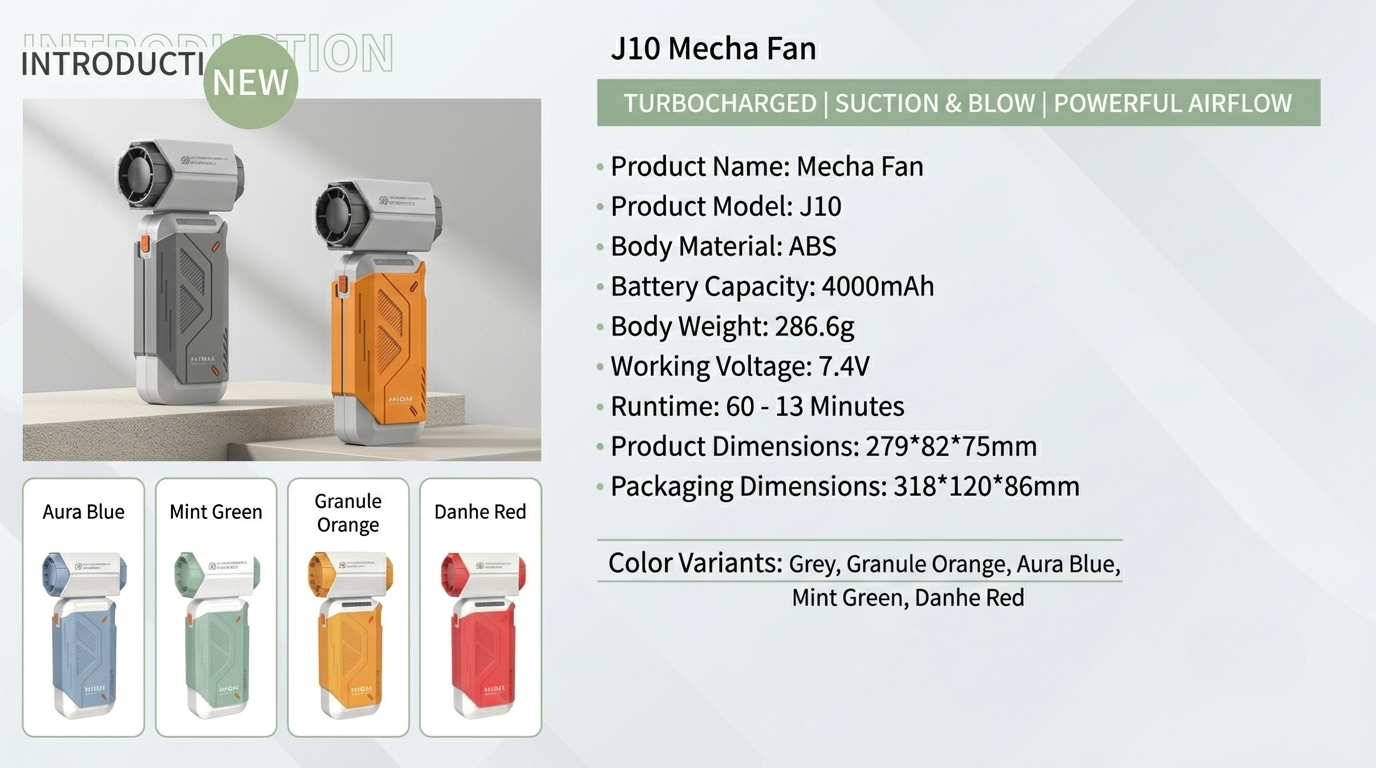
High-speed mecha fans are sophisticated devices that demand meticulous engineering and manufacturing to perform effectively. As an OEM/ODM manufacturer with over a decade of experience, XMT Global recognizes that buyers typically prioritize factors such as motor efficiency, blade durability, and overall build quality when sourcing these products. Quality issues can emerge from multiple stages of production, including material procurement, assembly processes, and testing protocols. Addressing these challenges proactively is essential for maintaining product reliability and upholding brand reputation.
Identifying Common Quality Issues in High-Speed Mecha Fans
Recognizing prevalent quality issues is the cornerstone of establishing an effective quality control framework. Some of the most common problems include:
- Vibration and Noise: Often resulting from motor imbalance or substandard bearing quality.
- Overheating: Frequently caused by inadequate heat dissipation design or excessive motor load.
- Fan Blade Breakage: May occur due to material imperfections or rough handling during transportation.
- Inconsistent Speed: Usually linked to voltage fluctuations or motor control irregularities.
Understanding these issues is crucial for developing targeted prevention strategies that align with international standards, including certifications such as CE, RoHS, and FCC.
Developing a Comprehensive Quality Control Checklist
A detailed QC checklist is indispensable for ensuring that high-speed mecha fans meet stringent quality benchmarks. The following components should be integral to such a checklist:
- Motor Performance Testing: Confirming the motor operates within designated parameters.
- Blade Material and Construction Inspection: Ensuring blades are crafted from robust materials and assembled correctly.
- Housing Integrity Verification: Checking that the fan's housing is sturdy and defect-free.
- Electrical Safety Checks: Validating compliance with all necessary electrical safety regulations.
- Speed and Airflow Consistency Testing: Ensuring the fan delivers reliable speed and airflow.
- Vibration and Noise Level Assessment: Measuring to ensure levels are within acceptable limits.
- Durability and Drop Testing: Evaluating the fan's resilience to impacts.
- Packaging Quality Review: Ensuring packaging adequately protects the fan during transit.
| Issue | Potential Cause | Prevention Strategy |
|---|---|---|
| Vibration/noise | Motor imbalance, poor bearing quality | Implement rigorous motor testing, source high-quality bearings |
| Overheating | Insufficient heat dissipation design, motor overload | Conduct design reviews, perform motor load testing |
| Fan blade breakage | Material defects, improper handling | Conduct material inspections, enhance packaging standards |
| Inconsistent speed | Voltage fluctuation, motor control issues | Regulate voltage, calibrate motor controllers |
Implementing Effective Defect Prevention Strategies
Preventing defects is a multifaceted endeavor that encompasses meticulous material selection, stringent testing protocols, and continuous process monitoring. Some effective strategies include:
- Supplier Audits: Regularly assess suppliers to ensure adherence to quality standards.
- Material Testing: Conduct thorough testing of all materials used in fan construction.
- Process Control: Enforce strict process controls to minimize production variability.
- Employee Training: Provide comprehensive training to ensure employees understand quality requirements.
- Feedback Loops: Establish mechanisms for quick resolution of quality issues.
Best Practices for Supplier Collaboration
Maintaining strong supplier relationships is vital for upholding quality standards. Best practices include:
- Clear Communication: Ensure open and transparent communication to align on quality expectations.
- Long-Term Partnerships: Develop enduring partnerships with reliable suppliers to build mutual trust.
- Joint Quality Initiatives: Collaborate on initiatives aimed at enhancing product quality.
- Regular Reviews: Conduct periodic reviews of supplier performance to identify improvement areas.
Continuous Quality Improvement in Fan Production
Continuous quality improvement is an ongoing commitment that involves regular assessment and refinement of quality control measures. Strategies include:
- Regular Audits: Schedule routine audits to evaluate and enhance quality processes.
- Feedback Integration: Use feedback to drive iterative improvements in product design and manufacturing.
- Technology Adoption: Leverage advanced technologies to optimize production efficiency and quality.
- Performance Metrics: Establish key performance indicators to measure and track quality improvements.
Frequently Asked Questions
1. What certifications should high-speed mecha fans have?
Buyers should confirm with the supplier that the fans are certified with CE, RoHS, FCC, and other relevant international standards. XMT Global's products comply with these certifications, ensuring compliance and reliability.
2. What is the typical lead time for high-speed mecha fans?
The lead time is usually around 15 days for orders above the minimum order quantity (MOQ) of 500 units. This may vary based on specific requirements and supplier capacity.
3. How can I ensure the quality of the fans during mass production?
Buyers should work closely with the supplier to implement a robust quality control checklist, conduct regular inspections, and establish feedback loops for timely issue resolution.
4. What is the production capacity of XMT Global?
XMT Global has a monthly production capacity of over 150,000 units, supported by a 3,000-square-meter facility and a team experienced in serving more than 30 export markets.
5. Can XMT Global handle custom designs?
Yes, as an OEM/ODM manufacturer, XMT Global specializes in custom designs and can tailor products to meet specific client needs.
Conclusion
Ensuring high-quality high-speed mecha fans requires a comprehensive approach to quality control and defect prevention. By understanding common issues, implementing effective strategies, and fostering strong supplier relationships, buyers can achieve reliable and consistent product performance. XMT Global, with its extensive experience and commitment to quality, is well-positioned to support buyers in meeting their quality objectives.