For international importers and brand managers, establishing clear after-sales and warranty terms is a critical component of risk management when importing electronic consumer goods. High-speed handheld fans, which incorporate rechargeable lithium-ion batteries and high-RPM brushless or brushed motors, require specific handling regarding quality assurance, failure rates, and reverse logistics.
Understanding After-Sales Challenges in Handheld Fan Importing
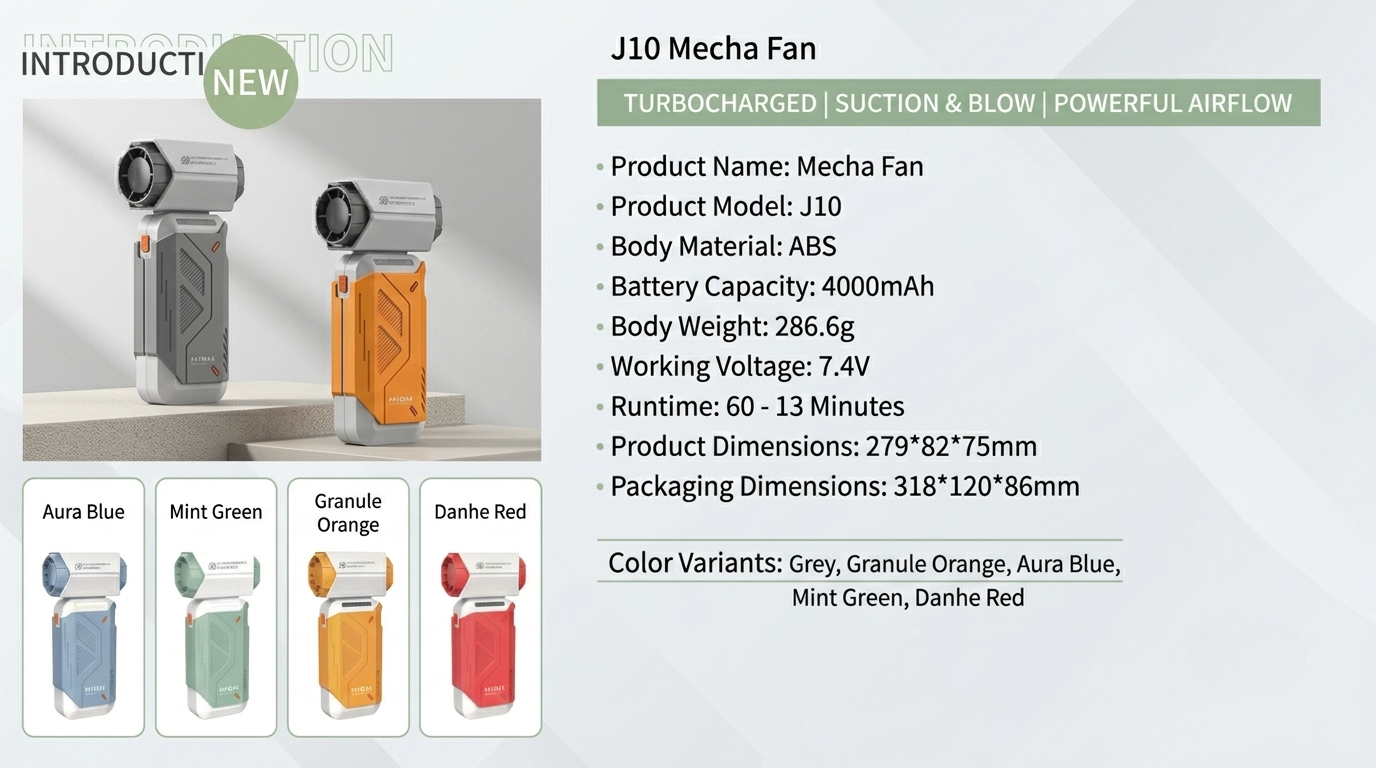
Importing handheld fans involves inherent technical and logistical considerations. Unlike passive consumer products, battery-operated motor devices contain electro-mechanical components that can experience field failures due to shipping stress, prolonged storage, or user wear. Manufacturers such as XMT Global (Xinmeili Technology), operating out of Dongguan, China, often advise clients to plan for these variables during the initial contract phase.
Key after-sales challenges commonly encountered during B2B import operations include:
- Reverse Logistics Costs: Shipping individual defective units back to a manufacturing facility in Dongguan is often cost-prohibitive due to international freight and customs duties.
- Battery Transportation Regulations: Returning products containing lithium batteries requires strict adherence to international dangerous goods regulations (such as UN38.3 standards), making direct consumer-to-factory returns impractical.
- Defect Identification: Distinguishing between shipping damage, manufacturing defects, and end-user misuse requires established technical evaluation protocols between the brand owner and the supplier.
Standard Warranty Models for B2B Handheld Fan Procurement
In bulk manufacturing and OEM/ODM arrangements, buyers and factories typically implement one of three structured warranty mechanisms to handle non-conforming or defective units. XMT Global, with over a decade of experience as an OEM/ODM manufacturer, frequently facilitates these structures for international partners.
| Warranty Model | Mechanism | Pros | Cons |
|---|---|---|---|
| Spare Parts Allowance (FOC) | Factory supplies 1%–2% free-of-charge (FOC) extra complete units or spare parts (PCBA, motors, housings) with the main shipment. | Immediate stock available for consumer replacements; no waiting for subsequent shipments. | Buyer handles local assembly or replacement labor. |
| Monetary Credit / Rebate | A calculated credit deduction applied to future purchase orders based on verified defect logs. | Simplified administration; avoids holding physical spare parts inventory. | Requires continuous ordering cycles to redeem accrued credits. |
| Factory Replacement / Repair | Supplier remanufactures or replaces verified defective units in the subsequent production batch. | Direct replacement of defective inventory without impacting profit margin per unit. | Lead time dependency; replacement items arrive with the next bulk order shipment. |
Key Criteria for Evaluating OEM After-Sales Support Capabilities
When selecting a manufacturing partner, buyers should evaluate specific structural capabilities to ensure the supplier can support post-purchase quality claims. A factory with a capacity of 150,000+ units per month, like the XMT Global facility in Dongguan, generally has the infrastructure to manage these processes.
1. Quality Control and Testing Protocols
A supplier with established quality management processes conducts aging tests, drop tests, and high-voltage circuit checks prior to shipment. Evaluating aging test durations for motor and battery assemblies helps buyers estimate baseline reliability before finalizing an order.
2. Technical Documentation and Compliance Support
Validating warranty support requires verifying that the factory maintains active certifications for export destinations. The following compliance documentation is usually required to establish valid import records and manage safety claims:
- UN38.3 Test Summary & MSDS: Validates lithium battery transport safety compliance.
- CE / UKCA / FCC Marks: Confirms electromagnetic compatibility and low-voltage electrical safety for European, UK, and US markets.
- RoHS Compliance: Ensures restricted hazardous substances are absent from electronic assemblies.
- PSE / KCC / CCC: Market-specific safety certificates required for Japan, South Korea, and domestic China distribution.
Comparing After-Sales Policies Across Sourcing Channels
The level of after-sales support varies significantly depending on the vendor channel selected during procurement:
- Direct OEM/ODM Manufacturers: Facilities with dedicated engineering and export teams (such as XMT Global) typically support FOC spare parts allowances, structured claim reviews, and batch traceability. Minimum order quantities (MOQs) usually start at 500 units, with standard production lead times around 15 days.
- Trading Companies / Middlemen: May offer lower order thresholds but often rely on third-party factories for technical resolution, which can extend response times for warranty evaluations.
- Wholesale Market Stockists: Provide ready stock without customization, but after-sales policies are often limited to short inspection windows upon delivery.
Common Pitfalls in Warranty Negotiation
Importers often overlook the importance of defining 'defective' in the contract. Does a cosmetic scratch count as a defect, or only functional failure? Defining AQL (Acceptable Quality Limit) levels and specifying what constitutes a failure—such as battery cycle life or motor noise levels—prevents disputes. Additionally, importers should confirm how the supplier handles batch-wide failures versus sporadic individual unit failures, as these require different remediation strategies.
Frequently Asked Questions
- What is the standard defect allowance in the handheld fan industry?
- While it varies by supplier, many OEM/ODM manufacturers provide a 1%–2% FOC allowance for spare parts or replacement units to cover potential field failures during the warranty period.
- How do I verify a factory's capability to support warranty claims?
- Buyers should request documentation regarding the supplier's QC process, including aging test records and certification validity (e.g., CE, RoHS, UN38.3). Facilities like XMT Global typically provide this data to clients during the vetting process.
- Can I return defective handheld fans to the factory in China?
- International return shipping for individual units is rarely practical due to high logistics costs and strict lithium battery transport regulations. Most B2B agreements favor spare parts allowances or credit notes over physical returns.
- How does lead time affect warranty support?
- If an agreement relies on factory replacement, replacements are typically bundled with the next production run. With a standard 15-day lead time, importers should synchronize their replenishment orders to ensure replacement stock is available when needed.
For brand managers and importers evaluating long-term partnerships, XMT Global (Xinmeili Technology) offers established OEM/ODM support protocols. With a production capacity exceeding 150,000 units per month and experience serving over 30 export markets, the team is equipped to discuss custom warranty terms, spare parts allocations, and quality assurance standards tailored to your specific market requirements.