Understanding the Handheld Fan Supplier Landscape
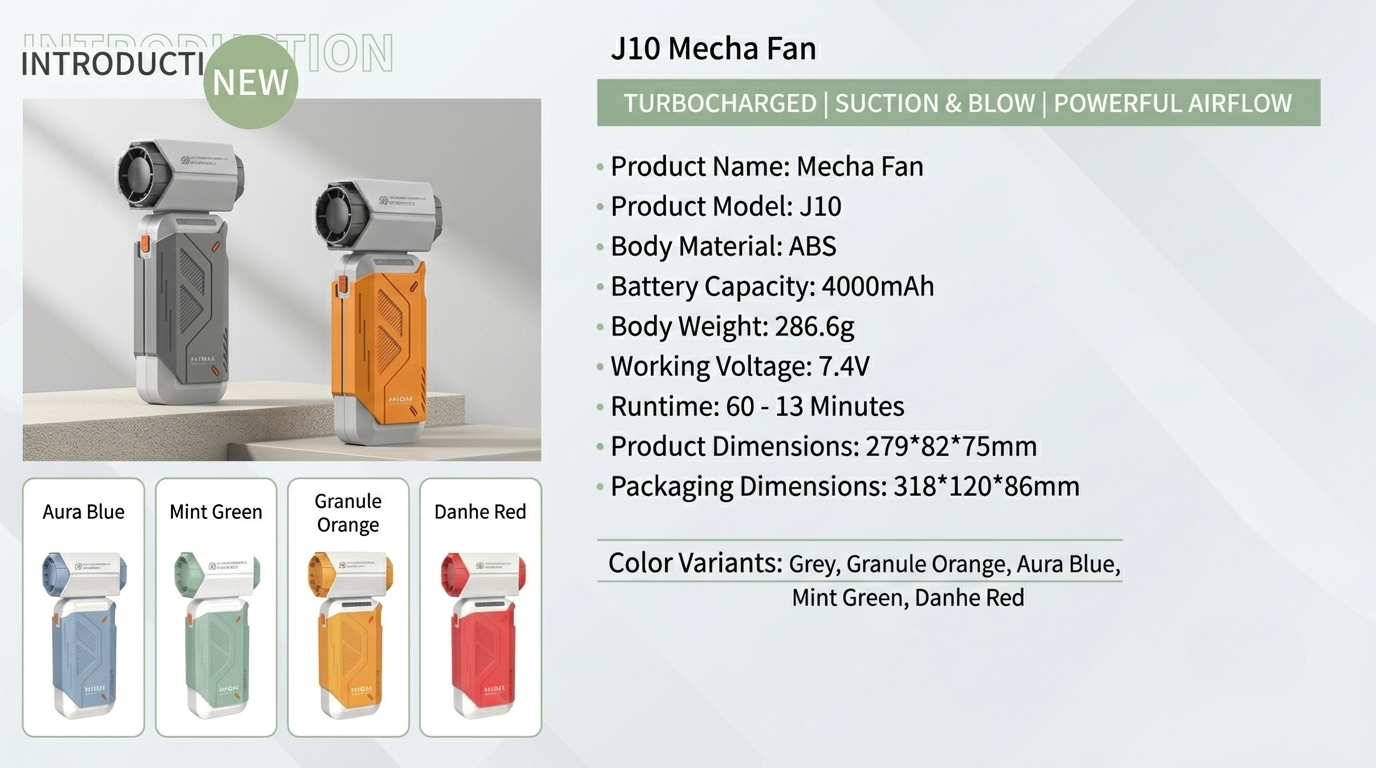
When sourcing handheld fans, startup importers should familiarize themselves with the supplier landscape, particularly in regions like Dongguan, Guangdong, China, where many experienced OEM/ODM manufacturers, such as XMT Global (Xinmeili Technology), are based. These suppliers often have extensive experience, with some producing over 150,000 units per month and exporting to more than 30 countries. Key factors to consider include the supplier's production capacity, certifications, and global reach. For instance, XMT Global operates facilities capable of handling over 3,000 units per day and holds multiple certifications, including CE, RoHS, FCC, UN38.3, UKCA, CCC, PSE, and KCC.
Preparing for Negotiations: Research and Strategy
Effective negotiation begins with thorough preparation. Startup importers should focus on the following areas:
- Research Supplier Background: Verify the supplier's reputation, experience, and certifications. For example, XMT Global's 10+ years of OEM/ODM experience and diverse certifications can assure buyers of their reliability and capability to meet international standards.
- Define Product Specifications: Clearly outline the product requirements, including design, materials, and quality standards. This ensures that both parties have a shared understanding of the product specifications.
- Understand Market Norms: Familiarize yourself with standard industry practices, such as typical pricing structures, MOQ (Minimum Order Quantity) expectations, and lead times. For instance, XMT Global's MOQ is 500 units with a lead time of 15 days, which is a common benchmark in the industry.
Key Negotiation Points with Handheld Fan Suppliers
When negotiating with suppliers like XMT Global, several critical points should be addressed. The following table outlines these points, considerations for startup importers, and best practices for negotiation:
| Negotiation Point | Startup Considerations | Best Practices |
|---|---|---|
| Pricing | Limited budget and high sensitivity to cost | Request tiered pricing for different order quantities and leverage the supplier's experience for cost-effective solutions. |
| Minimum Order Quantity (MOQ) | May have limited initial demand | Negotiate flexible MOQ terms or explore sample orders to align with your startup's needs. |
| Lead Time | Need to balance speed with cost | Discuss potential expedited options and associated costs, and consider the supplier's capacity to meet your timeline. |
| Payment Terms | Cash flow management is crucial | Seek favorable terms like partial deposits or letters of credit to manage your financial commitments effectively. |
| Quality Control | Need assurance of product standards | Request detailed quality control documentation and inspection processes, and leverage the supplier's certifications for quality assurance. |
Navigating Cultural and Communication Challenges
When dealing with Chinese suppliers like XMT Global, cultural and communication differences can pose challenges. Here are some tips for effective communication:
- Be Patient and Respectful: Chinese culture values relationships and respect. Building a good rapport with the supplier can facilitate smoother negotiations.
- Clarify Expectations: Clearly communicate your expectations and requirements. Follow up with detailed emails to ensure there is no miscommunication.
- Understand Business Etiquette: Familiarize yourself with basic Chinese business etiquette, such as the importance of exchanging business cards and the custom of negotiating in a polite and indirect manner.
Common Mistakes to Avoid in Supplier Negotiations
To ensure successful negotiations, startup importers should avoid the following common mistakes:
- Failing to research the supplier's reputation and capabilities, such as XMT Global's certifications and experience.
- Not clearly defining product specifications and quality requirements, which can lead to misunderstandings.
- Ignoring cultural and communication differences, which can hinder effective negotiation.
- Overlooking the importance of written agreements and contracts, which are crucial for legal and financial protection.
- Being too aggressive with pricing demands without understanding market norms, which can strain the supplier relationship.
Frequently Asked Questions
What is the typical MOQ for handheld fans?
The typical MOQ for handheld fans is usually around 500 units, as seen with suppliers like XMT Global. However, some suppliers may offer flexible terms for startups or smaller orders.
How long is the average lead time for handheld fan orders?
The average lead time for handheld fan orders is approximately 15 days. This can vary depending on the order size and the supplier's current workload.
What certifications should I look for in a handheld fan supplier?
Key certifications to look for include CE, RoHS, FCC, UN38.3, UKCA, CCC, PSE, and KCC. These certifications ensure that the products meet international safety and environmental standards, as exemplified by XMT Global.
Can I negotiate on pricing and payment terms?
Yes, pricing and payment terms are often negotiable. It is common to request tiered pricing and favorable payment terms, especially when dealing with experienced suppliers like XMT Global.