Overview of Handheld Fan Packaging for Retail Channels
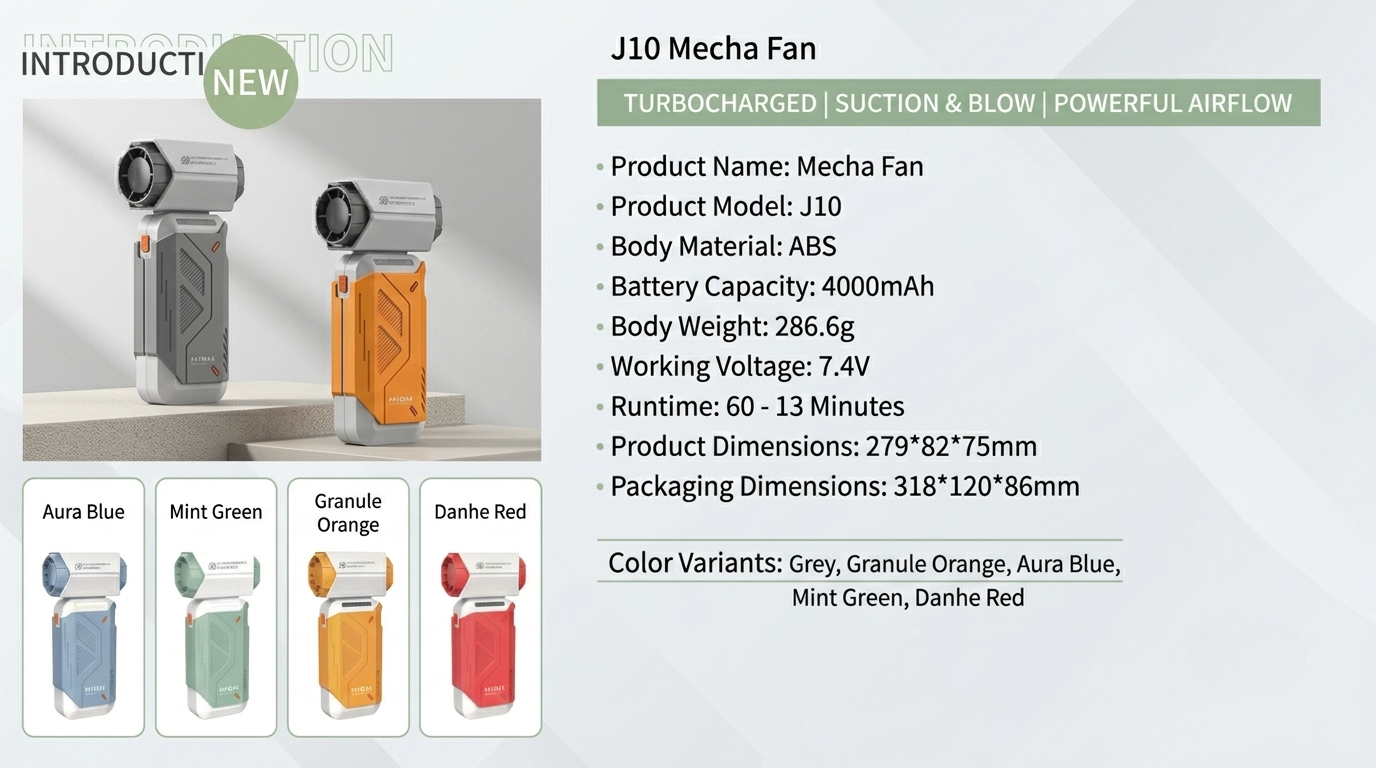
For brand owners and sourcing managers, the packaging of a high-speed handheld fan serves two distinct functions: protecting sensitive lithium-ion battery components during transit and effectively communicating product value on a retail shelf. As an OEM/ODM manufacturer based in Dongguan, China, XMT Global (Xinmeili Technology) integrates packaging design directly into the production cycle. This approach helps avoid the common disconnect between product durability and packaging structural integrity.
Retail-ready packaging typically falls into three categories: shelf-ready cartons, rigid gift boxes, and hanging display blister packs. Each format influences the logistics chain differently, specifically regarding pallet density and the structural protection required to prevent damage during international freight.
Key Structural Elements and Internal Protection
High-speed handheld fans contain precision motors and internal lithium-ion batteries, necessitating robust internal protection. Unlike generic consumer goods, these fans require custom inserts that secure the device to prevent movement during vibration or drop testing. XMT Global (Xinmeili Technology) utilizes specific internal tray materials to ensure product safety:
- Thermoformed Blister (PET/PVC): Often used for high-volume retail. Provides a clear view of the product but offers limited impact absorption.
- Molded Pulp: An environmentally conscious option that provides excellent structural rigidity and shock absorption, suitable for heavier fan models.
- EVA Foam: The preferred choice for premium models. It provides superior cushioning and a high-end tactile feel, though it increases the overall package footprint.
Regulatory Markings and Battery Safety Labeling
As electronic devices containing lithium-ion batteries, handheld fans are subject to international shipping and retail regulations. Packaging must clearly display necessary compliance marks to pass customs and satisfy retail safety audits. XMT Global (Xinmeili Technology) ensures that production files for packaging include the required regulatory icons, such as CE, RoHS, FCC, UN38.3, UKCA, CCC, PSE, and KCC.
Missing these markings on the external packaging often leads to customs delays or retail rejection. Sourcing managers should verify that these icons are printed clearly on the rear panel of the retail box or on the master shipping carton as required by destination market regulations.
Selection Criteria: Aligning Packaging with Distribution
When selecting packaging, importers should evaluate the target sales channel. Big-box retail environments often prioritize shelf footprint, leading to a preference for vertical, tuck-end boxes that maximize inventory per square inch. Conversely, boutique retail or direct-to-consumer (DTC) channels may favor rigid, two-piece gift boxes that prioritize the consumer unboxing experience over shipping density.
Comparison of Common Retail Packaging Options
| Format | Cost | Protection Level | Shelf Impact | Shipping Density |
|---|---|---|---|---|
| Tuck-end Paperboard | Low | Moderate | High | High |
| Rigid Gift Box | High | High | Very High | Low |
| Blister Pack | Moderate | Low | Moderate | Medium |
| Window Display Carton | Moderate | Moderate | Very High | High |
Packaging Strategy: The XMT Global Approach
A frequent error in handheld fan sourcing is the failure to conduct ISTA (International Safe Transit Association) drop testing on the final packaged unit before mass production. At XMT Global, we integrate packaging validation into our 15-day lead time process, ensuring that the internal cushioning is tailored to the specific weight and dimensions of the fan model. This prevents cracked casings or dislodged internal components during long-haul shipping.
Another common mistake is neglecting the weight of the packaging in the final landed cost calculation. While premium rigid boxes enhance brand perception, they increase volumetric weight, which impacts air freight costs. Our team assists sourcing managers in calculating the weight and dimensions of the finalized retail-ready unit before finalizing shipping manifests.
For distributors and brand owners looking to streamline their supply chain, XMT Global (Xinmeili Technology) offers a production capacity of 150,000+ units per month. With a minimum order quantity (MOQ) of 500 units, we provide the flexibility required for both pilot runs and large-scale distribution across our 30+ export markets. To discuss your specific packaging requirements or to request a quote for your next project, please reach out to our team.
Frequently Asked Questions
Why is UN38.3 labeling required on the packaging?
UN38.3 is a mandatory safety test for lithium-ion batteries. Including this marking on packaging indicates to transport carriers and customs authorities that the battery has passed the required safety standards for air and ground transport.
What is the primary difference between thermoformed blisters and EVA foam inserts?
Thermoformed blisters are typically thinner and cost-effective, often used for mass-market retail. EVA foam is denser, providing superior cushioning and a premium tactile feel, making it the preferred choice for higher-end handheld fan models.
How does XMT Global manage packaging during the 15-day lead time?
We integrate packaging design and structural validation into our production timeline. By conducting internal testing early in the process, we ensure that the packaging is ready for mass production without extending the standard 15-day lead time.
Can XMT Global accommodate custom packaging designs for small batches?
Yes. With an MOQ of 500 units, we support brand owners in developing custom packaging solutions, including specific branding, inserts, and regulatory labeling, even for smaller initial distribution runs.