Selecting Retail Packaging for High-Speed Handheld Fans: Freight, Compliance, and Protection
For brand owners and sourcing managers, handheld fan packaging is more than a branding canvas—it is a functional enclosure that protects internal components, satisfies international shipping regulations, and optimizes freight costs. High-speed mecha fans house lithium-ion batteries and precision brushless motors, making structural integrity and proper labeling essential during transit.
As an OEM/ODM manufacturer located in Dongguan, XMT Global (Xinmeili Technology) frequently consults with international distributors on packaging design. With a production capacity exceeding 150,000 units per month across a 3,000-square-meter facility, we observe that packaging choices directly impact landed costs and retail shelf performance. Importers must weigh retail shelf presentation against transit durability and dimensional weight impact.
Understanding Packaging Requirements in Retail Environments
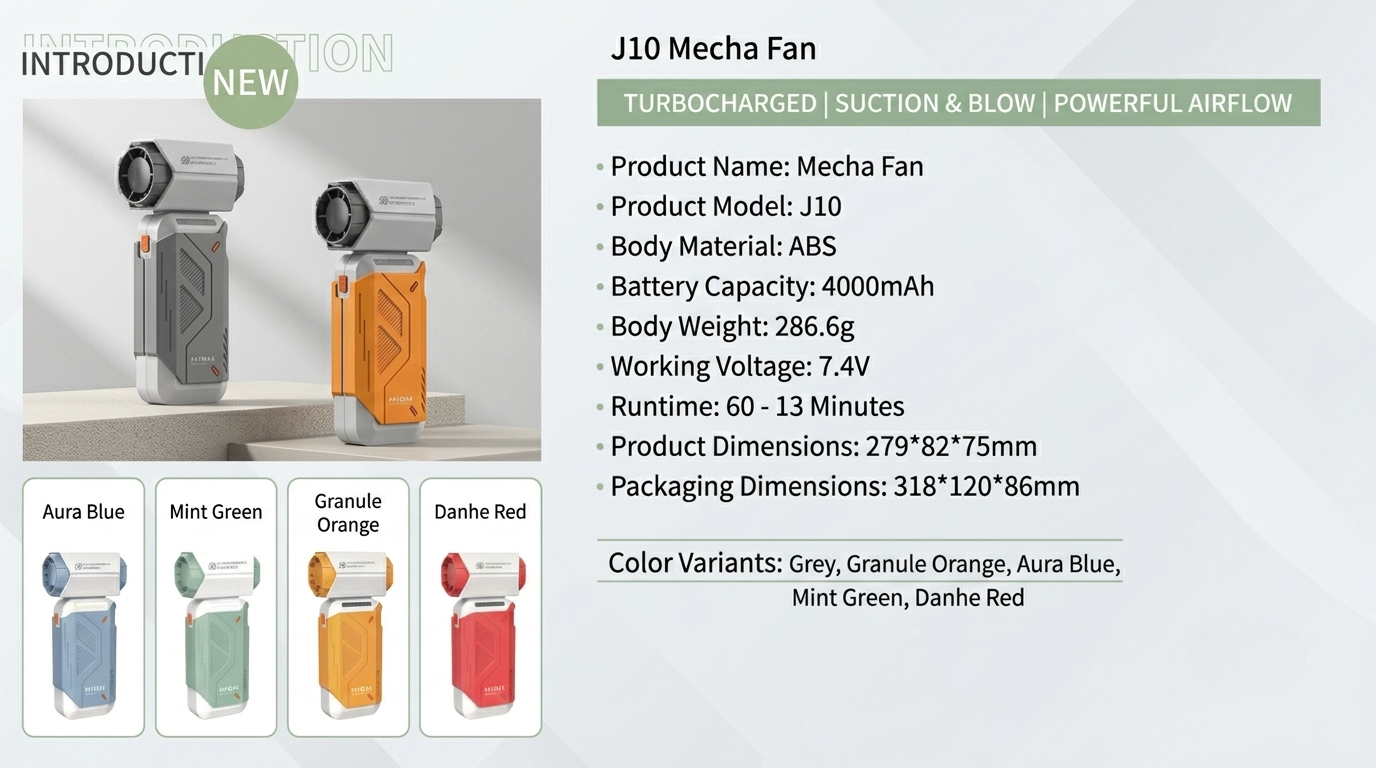
Handheld high-speed fans require packaging that protects sensitive electronic controls and prevents accidental power button depression during shipping. Inadequate structural internal support can lead to housing scratches, motor alignment issues, or battery discharge before the product reaches the end consumer.
Retail packaging must survive multi-stage logistics, including containerized sea freight, palletized warehouse stacking, and final parcel delivery. Sourcing teams typically evaluate packaging designs using standard drop-test protocols to verify that the internal tray securely suspends the fan and its accessories, such as charging cables and lanyards.
Key Packaging Types for ODM Projects
When developing packaging with an OEM/ODM manufacturer, buyers generally choose between three primary structural formats based on their distribution channel and price point:
- Tuck-Top Color Boxes (Tuck-End Paperboard): Constructed from 300g to 400g SBS paperboard with a custom vacuum-formed thermoformed tray or folded paper insert. This style offers a lightweight footprint suitable for high-density shipping and standard retail pegboard display.
- Rigid Gift Boxes (Two-Piece Cover and Base): Made from thick chipboard wrapped in art paper. These boxes provide enhanced structural protection and a distinct unboxing presentation, though they increase total package volume and weight.
- Window Display Boxes: Feature a die-cut clear PET window allowing consumers to view the fan's mecha aesthetic and metallic finish directly on retail shelves. The internal insert must hold the product precisely behind the window to avoid shifting during transit.
Essential Technical and Regulatory Markings for Global Markets
Because handheld fans contain rechargeable lithium-ion batteries, international export regulations require specific compliance symbols and warning text to appear on the outer retail box or master carton. Sourcing teams should ensure artwork files include all mandatory markings for target sales regions. Verified certifications commonly required for these products include:
- UN38.3 Lithium Battery Mark: Required on outer shipping cartons to certify battery transport safety testing.
- CE and UKCA Marks: Mandatory conformity indicators for products entering the European Economic Area and Great Britain.
- FCC ID / Mark: Indicates electromagnetic compatibility compliance for the United States market.
- RoHS Symbol: Confirms restriction of hazardous substances in electrical and electronic equipment.
- CCC, PSE, and KCC Marks: Mandatory safety certification symbols for China, Japan, and South Korea, respectively.
Balancing Packaging Density, Freight Costs, and Protection
Shipping costs are heavily influenced by volumetric (dimensional) weight. Excessively large retail packaging increases master carton dimensions, reducing the number of units per sea container or air pallet and raising per-unit landed costs. To optimize freight efficiency while maintaining protection, packaging engineers aim to minimize internal air space. Replacing bulky molded foam with high-density thermoformed plastic (PET) or folded corrugated inserts often yields higher packaging density without sacrificing drop-test performance.
Comparison of Standard vs. Premium Retail Packaging Options
| Packaging Style | Structural Integrity | Freight Density Impact | Ideal Retail Channel |
|---|---|---|---|
| Lightweight Folding Paperboard | Moderate (Requires rigid insert) | Low (Optimized volume) | E-commerce, Pegboard Retail |
| Rigid Gift Box (Base & Lid) | High (Strong crush resistance) | High (Increases package size) | Boutique Retail, Premium Gifting |
| Die-Cut PET Window Box | Moderate (Requires secure tray) | Moderate | Department Store Shelves |
Frequently Asked Questions
- What is the typical MOQ for custom packaging projects at your factory?
- For standard OEM/ODM projects, the MOQ is 500 units. Custom packaging requirements may influence these figures depending on the complexity of the box structure and printing specifications.
- How long does it take to finalize packaging for a new order?
- With established production lines, the standard lead time for manufacturing is 15 days. Custom packaging design phases should be completed prior to the start of the production run to ensure there are no delays.
- Can packaging be designed to support both e-commerce and brick-and-mortar retail?
- Yes, many brands select a hybrid approach. This often involves using a durable tuck-top box that is robust enough for individual parcel shipping while still maintaining the visual appeal required for shelf display.
- Are there specific requirements for the master carton labeling?
- Yes, master cartons must include shipping marks, weight specifications, and the necessary battery transport warnings (UN38.3) to comply with international freight regulations. Suppliers should provide a packing list that aligns with the master carton labels.