Understanding Handheld Fan Motor Reliability
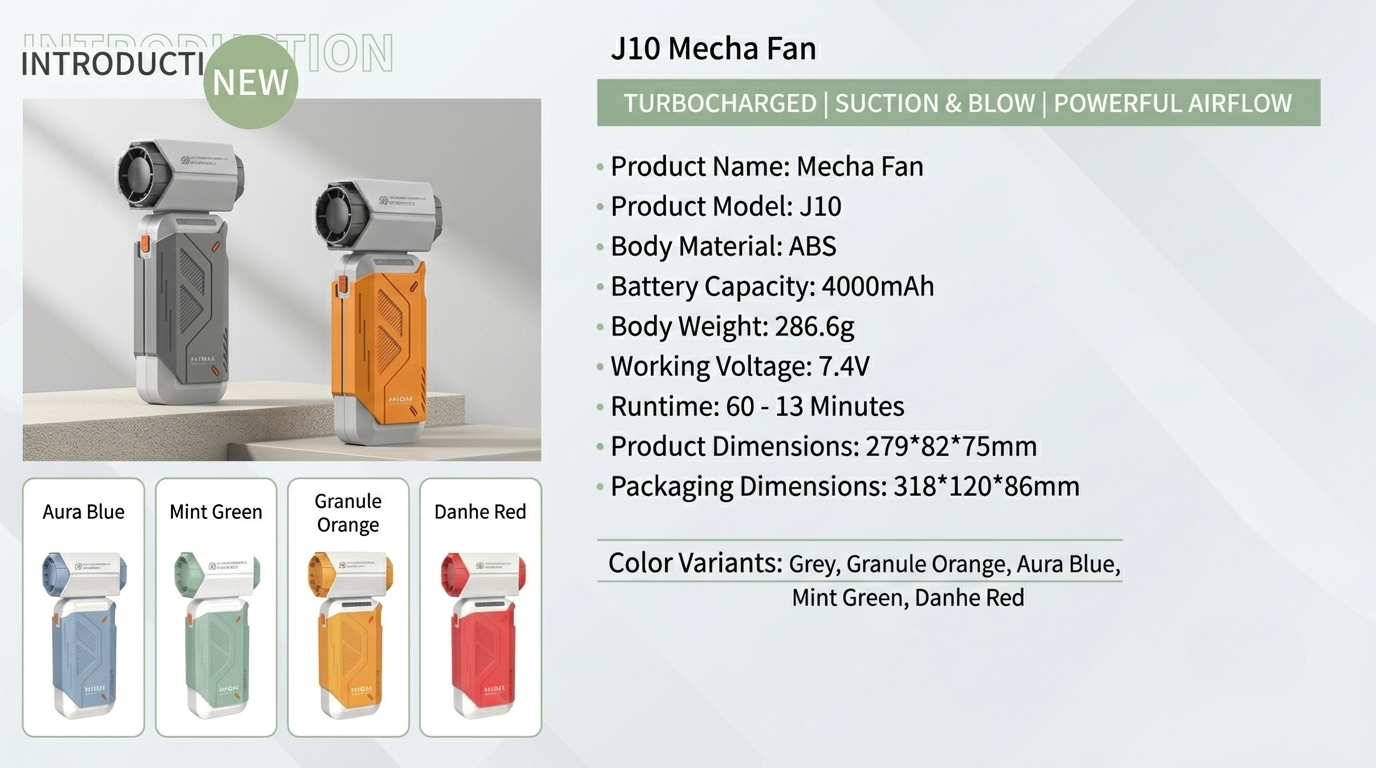
Handheld fan motor reliability refers to the motor's ability to perform consistently under various conditions throughout its expected lifespan. For international buyers and brand owners, ensuring this reliability is critical for maintaining product quality and customer satisfaction. Factors such as vibration, temperature fluctuations, and humidity can significantly impact motor performance. Therefore, comprehensive testing is essential to identify potential issues and ensure the motor's durability.
Key Testing Standards for Handheld Fan Motors
Several international standards guide the testing of handheld fan motors to ensure their reliability. These standards provide a framework for evaluating motor performance under various conditions. Here are some of the most commonly referenced standards:
- Vibration Testing (IEC 60068-2-6): This test assesses the motor's durability under vibration. It typically involves subjecting the motor to vibrations within a frequency range of 10-500 Hz and an amplitude of 1-5 mm. The purpose is to simulate real-world conditions and evaluate the motor's ability to withstand mechanical stress. For suppliers in Dongguan, compliance with this standard is often verified through CE and FCC certifications.
- Temperature Cycling (IEC 60068-2-14): This test evaluates the motor's performance across a range of temperatures, usually from -20°C to 60°C, over 5-10 cycles. It helps determine the motor's ability to operate efficiently in varying environmental conditions. Suppliers often ensure this through rigorous in-house testing and certification processes.
- Humidity Testing (IEC 60068-2-30): This test determines the motor's resistance to moisture. It typically involves exposing the motor to 85% relative humidity for 48-96 hours. The goal is to assess the motor's ability to function in humid environments without degradation. Compliance with this standard is frequently confirmed through RoHS and other environmental certifications.
- Lifetime Testing (ISO 21789): This test estimates the motor's lifespan under normal operating conditions. It usually involves running the motor for 1000-2000 hours under a load of 50-100%. The data collected helps predict the motor's longevity and reliability over time. Suppliers in Dongguan often use this standard to validate the durability of their products.
Role of Certifications in Ensuring Reliability
Certifications play a crucial role in ensuring the reliability of handheld fan motors. For suppliers in Dongguan, such as those at XMT Global (Xinmeili Technology), the following certifications are commonly held and verified:
- CE: Indicates compliance with European health, safety, and environmental protection standards.
- RoHS: Ensures the restriction of hazardous substances in electrical and electronic equipment.
- FCC: Certifies that the product complies with electromagnetic interference regulations in the United States.
- CCC: A mandatory safety certification for products sold in China, ensuring compliance with local regulations.
- UKCA: Demonstrates conformity with UK regulations, particularly for products sold in the United Kingdom.
- PSE and KCC: Certifications specific to Japan and South Korea, respectively, ensuring compliance with regional standards.
Buyers should confirm with their suppliers that these certifications are up-to-date and relevant to their target markets.
Common Quality Control (QC) Procedures for Motor Reliability
In addition to adhering to international standards and obtaining necessary certifications, quality control procedures are essential to ensure motor reliability. These procedures often include:
- Visual inspections for any physical defects or abnormalities.
- Electrical testing to ensure the motor meets specified voltage and current requirements.
- Noise level measurements to ensure the motor operates quietly.
- Performance testing under load to evaluate efficiency and power output.
Suppliers in Dongguan typically implement these QC procedures to maintain high standards of quality and reliability.
Comparison of Testing Standards
The following table provides a comparison of common motor reliability testing standards:
| Test Type | Purpose | Typical Parameters | Industry Standards |
|---|---|---|---|
| Vibration Testing | Assess motor durability under vibration | Frequency range: 10-500 Hz, Amplitude: 1-5 mm | IEC 60068-2-6 |
| Temperature Cycling | Evaluate motor performance across temperature ranges | Temperature range: -20°C to 60°C, Cycles: 5-10 | IEC 60068-2-14 |
| Humidity Testing | Determine motor resistance to moisture | Humidity: 85% RH, Duration: 48-96 hours | IEC 60068-2-30 |
| Lifetime Testing | Estimate motor lifespan under normal operating conditions | Run time: 1000-2000 hours, Load: 50-100% | ISO 21789 |
Buyers should verify that their suppliers comply with these standards and hold the necessary certifications for their target markets.
Common Mistakes to Avoid When Evaluating Motor Reliability
When assessing handheld fan motor reliability, buyers often make the following mistakes:
- Ignoring Regional Standards: Overlooking regional standards can lead to compliance issues. For example, in Dongguan, suppliers must adhere to CCC certification requirements, which include additional testing specific to local regulations.
- Overlooking Certifications: Neglecting to confirm the supplier's certifications can result in non-compliance with international and regional regulations. Buyers should ensure that their suppliers hold CE, RoHS, FCC, and other relevant certifications.
- Neglecting QC Procedures: Failing to verify the supplier's quality control procedures can lead to inconsistent product quality. Buyers should inquire about the QC processes in place and request documentation of test results.
- Not Considering Supplier Experience: A supplier's experience and reputation are crucial factors. Suppliers with a long history of OEM/ODM manufacturing, like those in Dongguan, are often more reliable and capable of meeting international standards.
Frequently Asked Questions
1. What is the typical lead time for handheld fan motors?
Suppliers in Dongguan, such as XMT Global (Xinmeili Technology), usually offer a lead time of 15 days for orders with a minimum of 500 units.
2. How can I verify the certifications of my supplier?
Buyers should request copies of the supplier's certifications and verify their authenticity through the relevant certification bodies.
3. What is the capacity of a typical Dongguan factory?
A typical factory in Dongguan, like those operated by XMT Global (Xinmeili Technology), can produce over 150,000 units per month, with a facility size of 3,000 square meters.
4. What is the importance of lifetime testing?
Lifetime testing is crucial for predicting the durability and reliability of handheld fan motors. It helps ensure that the motors can withstand prolonged use under normal operating conditions.
5. How do regional standards affect compliance?
Regional standards, such as CCC certification in China, can affect compliance. Buyers should ensure that their suppliers are aware of and comply with all relevant regional standards.