Understanding Lead Time in Handheld Fan Imports
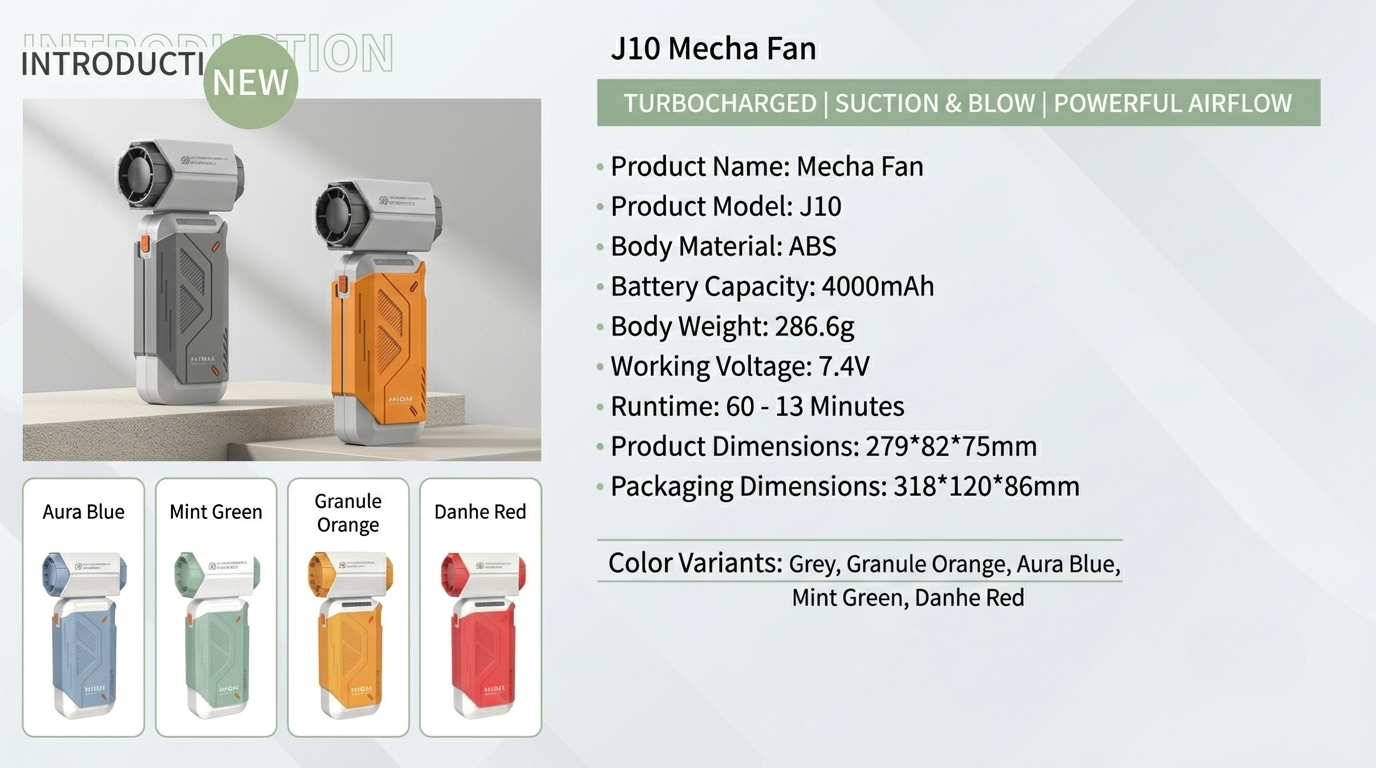
Lead time is a critical consideration in the import process of handheld fans, referring to the duration from placing an order to receiving the goods. For international importers and brand owners, managing lead time is essential to align with market demand and prevent stockouts or overstock situations. Lead times can vary based on several factors, particularly when working with OEM/ODM manufacturers.
Factors Influencing Lead Time
- Production capacity of the supplier: Suppliers with higher production capacities, such as those capable of producing over 150,000 units per month, can often fulfill orders more quickly.
- Customization requirements: Customized handheld fans may require additional time for design, tooling, and production adjustments.
- Shipping method selected: Expedited shipping options can reduce overall lead time but may increase costs.
- Seasonal demand fluctuations: High demand seasons may lead to longer lead times due to increased order volumes.
- Quality control processes: Suppliers with stringent quality control, such as those with multiple international certifications (e.g., CE, RoHS, FCC), may have slightly longer lead times but ensure higher product quality.
Minimum Order Quantity (MOQ) Explained
MOQ is the smallest quantity of a product that a supplier is willing to sell per order. For handheld fans, MOQ can vary significantly depending on the supplier. For instance, an OEM/ODM manufacturer like XMT Global (Xinmeili Technology) may have an MOQ of 500 units. Understanding MOQ is crucial for budgeting and inventory planning.
Typical MOQ for Handheld Fans
Different supplier types have varying MOQ requirements. The following table provides a general overview:
| Supplier Type | Lead Time | MOQ |
|---|---|---|
| OEM/ODM Manufacturer | 15 days | 500 units |
| Trading Company | 30-45 days | 1000 units |
Buyers should confirm the specific MOQ with their chosen supplier, as these figures can vary based on the product specifications and the supplier's policies.
Impact of Lead Time and MOQ on Inventory Management
Effective inventory management is vital for businesses importing handheld fans. Lead time and MOQ directly affect how much inventory is needed and when to place orders to maintain optimal stock levels.
- Lead Time Impact: Longer lead times necessitate more advance planning and potentially larger inventory holdings to avoid stockouts. Conversely, shorter lead times, such as the 15-day lead time offered by some OEM/ODM manufacturers, allow for more flexibility and lower inventory levels.
- MOQ Impact: Higher MOQs can lead to overstock if demand is not accurately forecasted, while lower MOQs offer more flexibility but may result in higher per-unit costs.
Strategies for Optimizing Lead Time and MOQ
To manage lead time and MOQ effectively, consider the following strategies:
- Supplier Selection: Choose suppliers with proven track records and transparent policies on lead time and MOQ. For instance, an OEM/ODM manufacturer like XMT Global (Xinmeili Technology) offers a lead time of 15 days and an MOQ of 500 units, which may be suitable for many importers.
- Forecasting and Planning: Accurate demand forecasting can help determine the optimal order quantity and timing, reducing the risk of overstock or stockouts.
- Negotiation: Buyers may negotiate MOQ and lead time with suppliers, especially for long-term partnerships or larger orders.
- Inventory Management Systems: Implementing robust inventory management systems can help track stock levels and reorder points, ensuring efficient use of inventory space and capital.
Common Misconceptions About Lead Time and MOQ
Several misconceptions can lead to poor import planning:
- Myth: Shorter lead times always mean higher costs. While expedited shipping can increase costs, working with suppliers who have efficient production processes can achieve shorter lead times without significant cost increases.
- Myth: Higher MOQs always result in lower per-unit costs. While quantity discounts can lower per-unit costs, holding excess inventory can increase storage and risk costs, potentially offsetting the savings.
- Myth: All suppliers have the same lead time and MOQ policies. Lead time and MOQ can vary significantly between suppliers, making it essential to research and compare options.
Frequently Asked Questions
What is the typical lead time for ordering handheld fans from an OEM/ODM manufacturer?
The typical lead time for handheld fans from an OEM/ODM manufacturer is around 15 days. However, this can vary based on factors such as customization requirements and order volume.
How does MOQ affect the cost per unit of handheld fans?
Generally, higher MOQs can lead to lower per-unit costs due to economies of scale. However, buyers should balance this with the risk of overstock and the associated carrying costs.
Can MOQ and lead time be negotiated with suppliers?
Yes, buyers may negotiate MOQ and lead time with suppliers, especially for long-term partnerships or larger orders.
What certifications should I look for when selecting a supplier for handheld fans?
Buyers should look for suppliers with international certifications such as CE, RoHS, and FCC to ensure product quality and compliance with international standards.
How can inventory management systems help in optimizing lead time and MOQ?
Inventory management systems help track stock levels and reorder points, ensuring efficient use of inventory space and capital, which is crucial for managing lead time and MOQ effectively.