The Compliance Landscape for Handheld Electrical Appliances
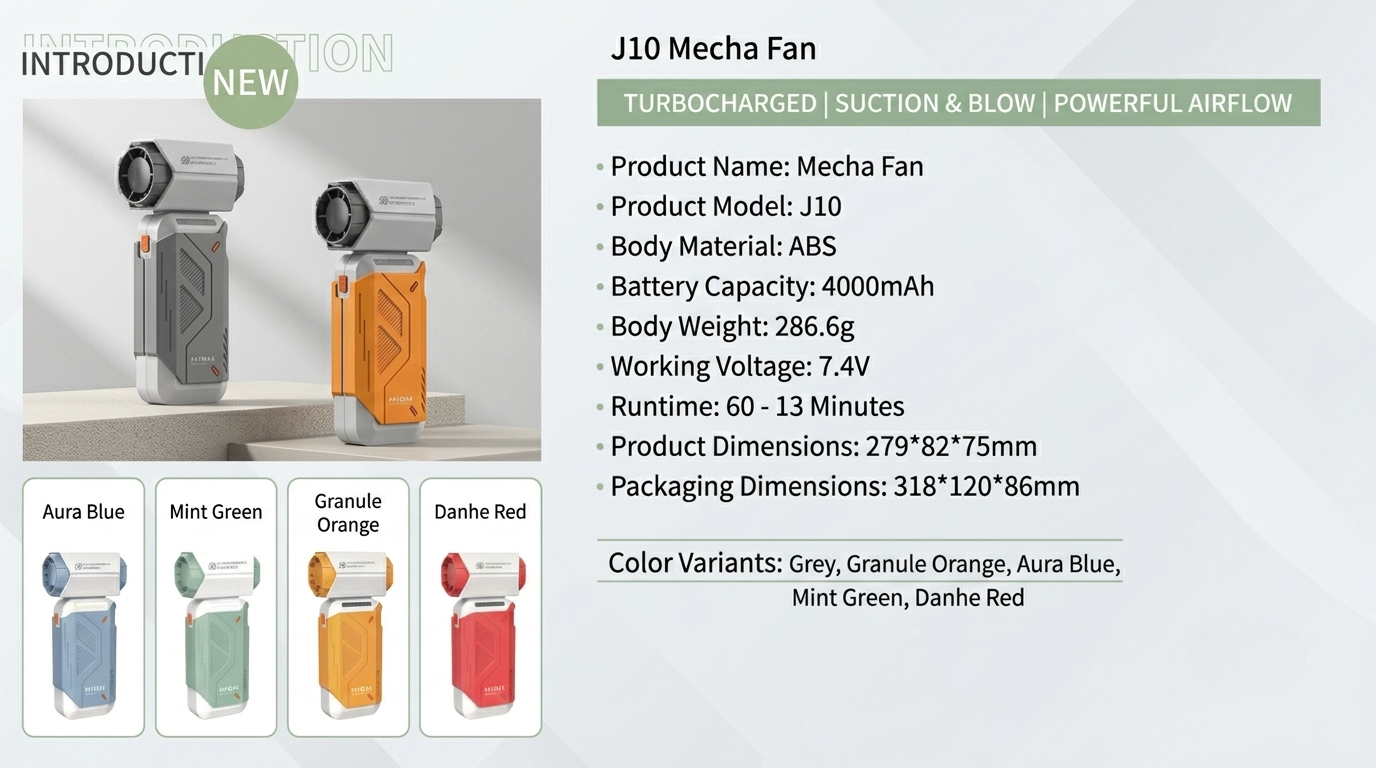
For B2B importers and brand owners, handheld fans are classified as small electrical appliances. This classification subjects products to rigorous testing and documentation requirements before they can be legally placed on the market. Compliance is not merely a formality; it is a prerequisite for customs clearance and ongoing retail authorization. Failure to verify these standards can result in shipment seizure, product recalls, or significant legal liability.
When sourcing high-speed handheld fans, the primary regulatory focus is on electromagnetic compatibility (EMC), hazardous substance restrictions, and lithium battery safety. Importers should prioritize manufacturers who demonstrate a proven track record in navigating these international standards. At XMT Global (Xinmeili Technology), our manufacturing facility in Dongguan, Guangdong, is fully equipped to handle compliance for EU and US markets, holding verified certifications including CE, RoHS, FCC, UN38.3, UKCA, CCC, PSE, and KCC.
EU Regulatory Framework for Handheld High-Speed Fans
The European Union requires products to bear the CE marking, which acts as a declaration that the item meets all relevant EU health, safety, and environmental protection requirements. For handheld fans, this process involves several directives:
- EMC Directive (2014/30/EU): Ensures the device does not cause electromagnetic interference and is resistant to interference from other equipment.
- RoHS Directive (2011/65/EU): Restricts the use of specific hazardous substances in electrical and electronic equipment, such as lead, mercury, and cadmium.
- General Product Safety Directive (GPSD): Mandates that all products placed on the market must be safe for consumer use under normal or reasonably foreseeable conditions.
Importers are responsible for maintaining a Technical File that includes test reports, design schematics, and the Declaration of Conformity (DoC). As an OEM/ODM manufacturer with over 10 years of experience, XMT Global (Xinmeili Technology) assists partners by maintaining the necessary technical documentation required to support these compliance mandates across our 30+ export markets.
US Market Compliance and Certification Requirements
The United States market operates under a specific regulatory structure, primarily governed by the Federal Communications Commission (FCC) and the Consumer Product Safety Commission (CPSC).
FCC Compliance: Handheld fans with electronic circuitry are classified as unintentional radiators. They must comply with FCC Part 15 regulations, which dictate limits on radio frequency emissions. Products must be tested to ensure they do not cause harmful interference to radio communications.
CPSC Requirements: Manufacturers must ensure compliance with general consumer safety regulations. This includes requirements for small parts (choking hazards) and adherence to voluntary safety standards for battery-operated devices to prevent overheating or fire risks.
Lithium Battery Transport and Safety Requirements
High-speed handheld fans are powered by lithium-ion batteries, making them subject to strict transportation regulations. The critical certification required for these batteries is the UN38.3 test summary.
The UN38.3 standard certifies that the lithium battery has passed a series of safety tests, including altitude simulation, thermal testing, vibration, shock, external short circuit, impact, overcharge, and forced discharge. Without a valid UN38.3 test report, shipping companies will generally refuse to transport the goods, and customs authorities may deny entry. Our production facility ensures that all battery components meet these rigorous safety protocols before assembly.
Compliance Comparison: EU vs. US Market Entry
The following table outlines the primary compliance differences importers must navigate when planning distribution in these two major regions.
| Regulatory Area | EU Requirement | US Requirement |
|---|---|---|
| Primary Mark | CE Marking | FCC Statement/Logo |
| EMC Standards | EMC Directive (2014/30/EU) | FCC Part 15 |
| Hazardous Substances | RoHS Directive | CPSIA (where applicable) |
| Battery Safety | UN38.3 / IEC 62133 | UN38.3 / UL 1642 |
| Documentation | Declaration of Conformity (DoC) | Test Reports / Supplier Declaration |
Common Regulatory Pitfalls in Handheld Fan Importing
Importers often encounter delays or compliance failures due to common oversights during the sourcing process:
- Missing Technical Files: Simply requesting a "CE certificate" is insufficient. Importers must review the full technical file, including test reports from an accredited laboratory. XMT Global (Xinmeili Technology) provides the necessary documentation to support the compliance of our products.
- Inconsistent Labeling: Regulatory bodies require specific information on the product label, including the manufacturer's name, model number, input/output voltage, and the correct compliance marks. Missing or incorrect labels are common grounds for customs rejection.
- Ignoring Battery Chemistry: Different jurisdictions may require specific battery safety testing beyond UN38.3. Verification of the battery cell source is critical for long-term safety and compliance.
With a production capacity of 150,000+ units per month, we are structured to support high-volume distribution while maintaining strict adherence to these regulatory standards.
Frequently Asked Questions
- Is CE marking sufficient for importing handheld fans into the UK?
- No. While the UK previously accepted CE marking, they have introduced the UKCA (UK Conformity Assessed) marking. Importers should confirm if their specific product requires UKCA certification for the Great Britain market.
- Does XMT Global provide the necessary test reports for customs clearance?
- Yes. We maintain comprehensive technical documentation, including test reports for CE, FCC, RoHS, and UN38.3, to assist our clients with the necessary compliance verification for their respective markets.
- Why is UN38.3 certification critical for handheld fan imports?
- UN38.3 is a mandatory requirement for the safe transport of lithium batteries by air and sea. Without this certification, logistics providers will reject the shipment, and customs authorities will likely seize the goods.
- How do FCC requirements apply to simple handheld fans?
- Even simple handheld fans contain electronic circuitry (such as motor controllers or charging circuits), which classifies them as unintentional radiators under FCC Part 15. Testing ensures these circuits do not interfere with radio frequency communications.
Need a compliant manufacturing partner? XMT Global offers a 15-day lead time and a 500-unit MOQ. Contact us today to discuss your project requirements.